




Storm Damage Roof Repair in East Texas — Fast Assessment, Honest Scope, Real Repairs

East Texas storms don’t give much warning. Hail, high winds, and severe weather move through the I-45 corridor regularly — and when they do, the damage they leave behind ranges from a handful of missing shingles to structural issues that compromise an entire roof system.

CapRock Roofing & Construction responds to storm damage across East Texas. We assess the damage, tell you honestly what the roof needs, and get the repair work done. Whether the job calls for targeted repairs, a partial replacement, or emergency protection while a full scope is worked out, we handle it with the same straightforward approach we bring to every project.

We serve the I-45 corridor from Corsicana to Conroe, including Buffalo, Huntsville, Palestine, Fairfield, Centerville, Madisonville, and Willis.

How Storm Damage Affects Roofs in East Texas

Not all storm damage looks the same — and not all of it is obvious from the ground. Understanding what different storm events do to a roof helps you know what to look for and why a professional assessment matters even when things look okay at first glance.

  • Hail Damage Hail is the most common cause of significant roof damage across East Texas. The visible impact depends on hail size, density, and the type of roofing material. On asphalt shingles, hail impacts fracture the mat beneath the granule surface — damage that often isn’t visible from the ground but accelerates shingle deterioration and reduces the roof’s remaining lifespan considerably.
  • Larger hail causes more immediate and visible damage — cracked or split shingles, dented metal surfaces, crushed ridge caps, and compromised flashing. Even moderate hail events that don’t create immediate leaks can take years off a roof’s functional life.
  • Wind Damage Wind uplift forces are highest at the edges, corners, and ridge of a roof — which is where wind damage typically starts. Missing shingles, lifted edges, separated seams, and damaged ridge caps are all common after significant wind events. Once the roofing surface is compromised at these points, water intrusion follows.
  • High winds also drive debris — branches, equipment, and other objects — into roofing surfaces. Impact damage from debris can puncture, crack, or displace roofing materials in ways that create immediate leak risk.
  • Water Intrusion and Secondary Damage Storm damage often doesn’t cause immediate, visible leaks. Compromised shingles, lifted flashing, and cracked sealants allow water to migrate into the roof assembly gradually — showing up weeks or months later as staining, soft spots, mold, or interior water damage. By that point, what started as a manageable repair has often grown into something larger.

Acting on storm damage promptly — even when you don’t see an active leak — reduces the risk of secondary damage and keeps repair scope from expanding.

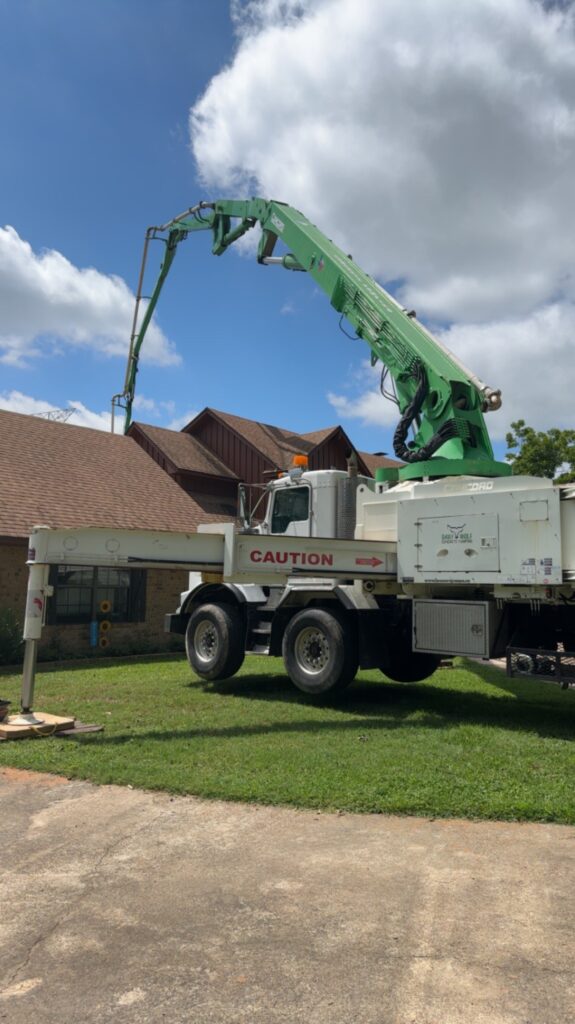
CapRock Roofing & Construction crew completing a roof installation in Buffalo, Texas

What Storm Damage Repair Looks Like With CapRock

We’re always straight with you about what we find. If the damage is limited and a targeted repair is the right answer, that’s what we’ll recommend. If the damage is extensive enough that a full replacement makes more economic sense than repeated repairs, we’ll tell you that too — and explain why.

Assessment First

Before any repair work begins, we assess the roof. We get up on the surface, examine the damage, take measurements, and give you a clear picture of what happened and what the roof needs. This assessment drives the scope — we don't show up and start replacing things without first understanding what the job actually requires.

Emergency Tarping and Temporary Protection

When storm damage creates an active leak or an immediate risk of water intrusion, temporary protection is the first priority. We provide emergency tarping to protect the interior of the structure while a full repair scope is assessed and scheduled. Temporary protection isn't a fix — but it buys time and prevents secondary damage from compounding the problem.

Targeted Repairs

When damage is localized — a section of missing shingles, a damaged valley, compromised flashing around a penetration — targeted repair is often the right approach. We replace or repair the affected area, restore the waterproofing layer, and address any underlying issues exposed during the repair.

Partial Roof Replacement

Some storm damage events affect a significant portion of a roof without requiring a full tear-off and replacement. When one slope, one section, or one large area is damaged while the rest of the roof remains in good condition, a partial replacement may be the right scope. We assess each situation individually and recommend what makes sense for the specific condition of the roof.

Full Roof Replacement

When storm damage is widespread — or when the existing roof was already near the end of its lifespan before the storm hit — a full replacement is often the most cost-effective path forward. Insurance claims for storm damage frequently result in full replacement scopes when the damage is properly documented. See our Roof Replacement page for more detail on how that process works.

The Walk-Through

When the job is complete, we walk the property with you to review the finished work. We want you to see what was done and feel confident in the result before we call the job closed.

0 +
Years Serving East Texas
0 +
of Projects Completed
0
Year  Roof Warranty on Every Install
$ 0
Referral Reward

Storm Damage and the Insurance Process

Most significant storm damage claims run through a homeowner’s or property insurance policy. Understanding how that process works helps you navigate it more effectively.

  • Document Everything Before Repairs Begin Insurance claims require documentation of the damage in its post-storm condition. Repairs made before the damage is documented and assessed by an adjuster can complicate the claims process. Emergency tarping and temporary protection are generally acceptable — permanent repairs should wait until the claim process is underway.
  • The Adjuster Visit Your insurer will send an adjuster to assess the damage and determine the initial claim scope. The adjuster’s assessment drives the initial payout — and it doesn’t always capture the full picture. Missing line items, undervalued components, and overlooked code upgrade requirements are common in initial adjuster estimates.
  • Documentation Support We help customers document storm damage thoroughly — photos, measurements, written assessments — so you have a complete record of conditions before repairs begin. Thorough documentation is the foundation of a well-supported insurance claim.
  • Supplement Support When the initial insurance estimate doesn’t fully cover the legitimate cost of restoring the roof, a supplement can be filed. We assist customers with documentation to support the supplement process. We can’t guarantee how insurers respond, but we make sure the information you’re presenting is complete and accurate.

For a more detailed overview of the inspection and insurance claim support process, see our Roof Inspections & Insurance Claim Support page.

Storm Damage Repair for Residential, Commercial, and Agricultural Properties

Storm damage doesn’t discriminate by property type. We handle repairs across all three.

  • Residential Storm Damage Repair Homeowners dealing with storm damage need a contractor who responds quickly, communicates clearly, and gets the repair done before the next weather event creates more problems. We serve homeowners throughout the I-45 corridor and understand how disruptive an unresolved roof issue is to a household.
  • Commercial Storm Damage Repair Commercial roofing systems — including flat and low-slope roofs with PVC, silicone, or built-up roofing systems — have their own set of storm damage failure points. We assess and repair commercial roofs with an understanding of how these systems work and what they need to perform long-term.
  • Agricultural Storm Damage Repair Barns, equipment storage, and agricultural structures take significant exposure to weather events. Damage to an agricultural roof can compromise stored equipment, feed, and livestock housing quickly. We prioritize agricultural storm damage repairs with the same urgency as residential work.
Why Choose Us

Why East Texas Property Owners Work With CapRock

There are a lot of roofing contractors in East Texas. Here’s what sets us apart.

We're local

CapRock Roofing is based in Buffalo, Texas. We operate along the I-45 corridor and understand the weather conditions, building styles, and customer expectations in this area. We're not a national franchise or an out-of-town crew chasing storm damage. When you call us, you're talking to the people who will actually show up and do the work.

We're straightforward.

We tell you what we see, quote what the job requires, and back our work with a warranty. If a repair is the right move instead of a replacement, we'll tell you that too.

We're responsive.

Most roofing quotes come back within 24 hours. We get to approved jobs within two weeks in most cases. We know that a damaged or aging roof isn't something you want to sit on.
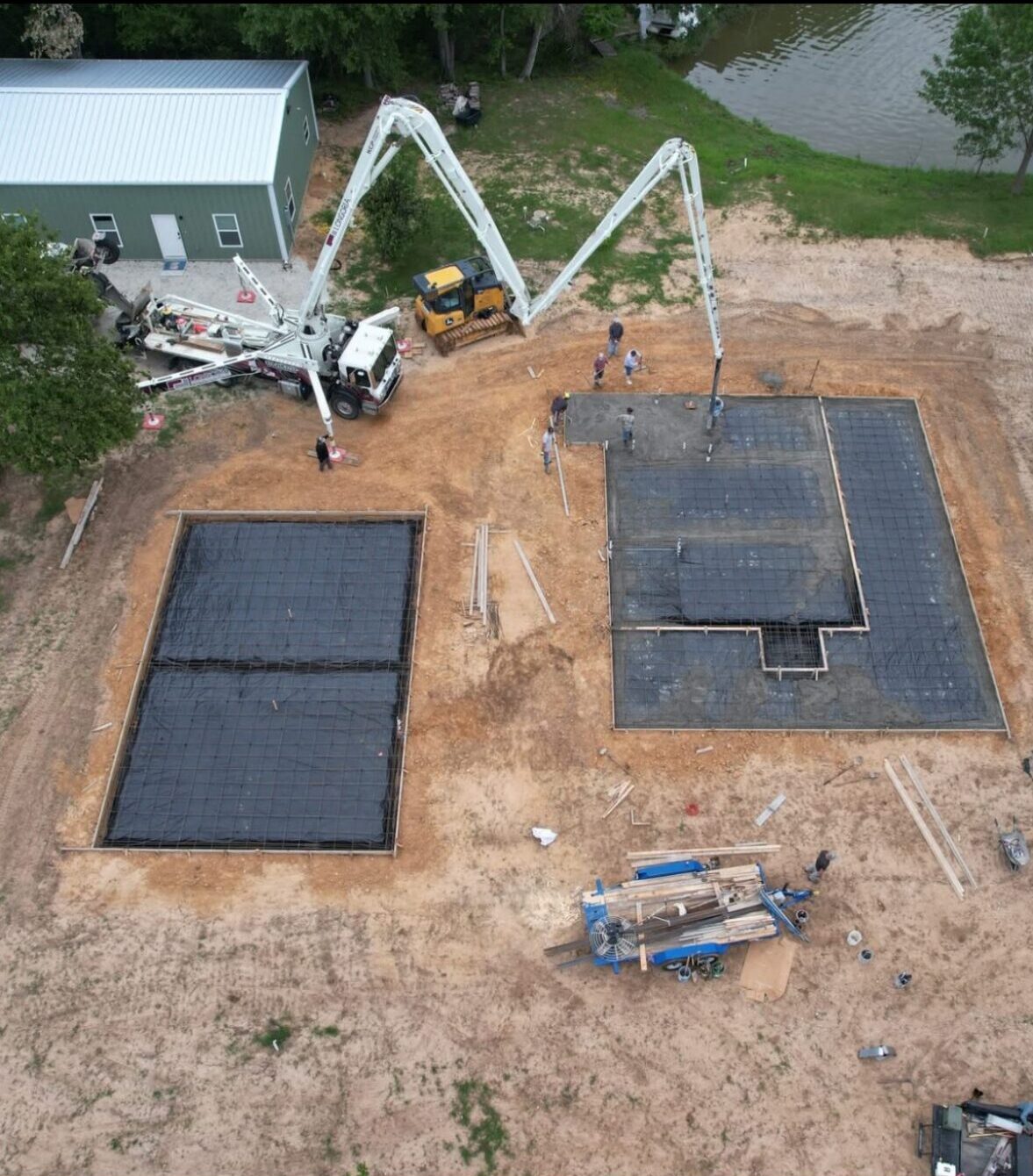
Commercial flat roof installation by CapRock Roofing & Construction in East Texas

Service Area for Storm Damage Repair

We respond to storm damage throughout East and Central Texas, including:

  • Buffalo, TX (home base)
  • Corsicana, TX
  • Fairfield, TX
  • Centerville, TX
  • Madisonville, TX
  • Huntsville, TX
  • Willis, TX
  • Conroe, TX
  • Palestine, TX
  • The I-45 corridor from Corsicana to Willis

Dealt With a Storm Recently?

Don’t wait to find out what the damage looks like. The sooner we assess it, the better your options — for repairs, for insurance documentation, and for preventing the damage from getting worse.

Serving East Texas from the I-45 corridor. Residential, commercial, and agricultural properties.

Name